
In This Article
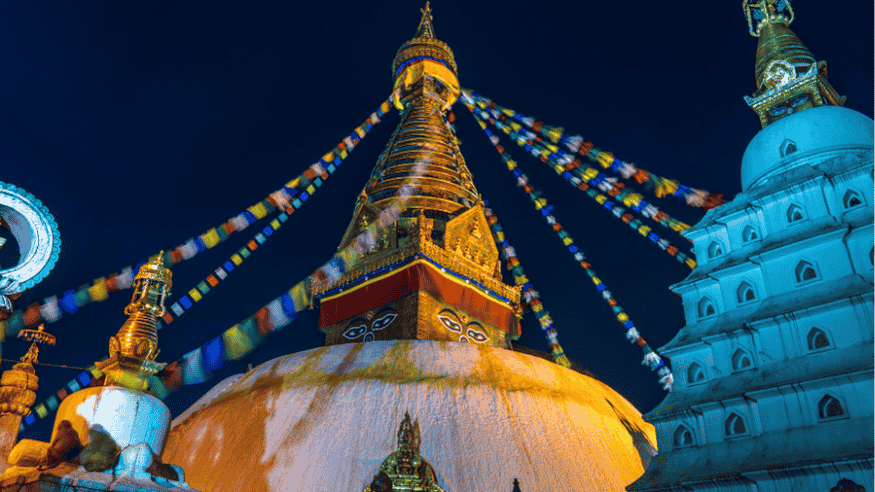
Perched high on a quiet hill above the bustling city, the sacred Swayambhu Mahachaitya welcomes visitors with a sense of calm that feels almost timeless.
This ancient Buddhist site is more than a landmark—it is a spiritual gateway where culture, faith, and history merge into an unforgettable experience. This sacred temple instantly draws travelers in with its serene atmosphere and panoramic beauty.
Often referred to as the Monkey Temple, Swayambhu Kathmandu Nepal stands as one of the most sacred Buddhist sites in the country, carrying centuries of stories within its golden spires and prayer wheels. As you climb the stone steps, every turn reveals fluttering prayer flags, peaceful shrines, and breathtaking views.
What makes this site one of the most beautiful places to visit in Nepal is the blend of devotion and daily life that surrounds it. Monks chanting, devotees offering prayers, and visitors watching the sunrise all come together to create a unique atmosphere.
For an explorer, this sacred stupa offers an experience that stays with you forever.
Through this blog, we’ll understand why the Swayambhunath temple remains one of the most sacred Buddhist sites and why every traveler must visit this majestic place.
The Origin and History of Swayambhu Mahachaitya
The origins of Swayambhu Mahachaitya trace back more than 2000 years, making it one of the oldest and most honored Buddhist sites in Nepal. According to the Swayambhu Purana, the Kathmandu Valley was once a vast lake, and the hill where Swayambhunath now stands was a self-arisen lotus radiating a miraculous light.
Bodhisattva Manjushri discovered this lotus and made the Kathmandu Valley habitable, while the lotus turned into the hill and the divine light into the stupa seen today. Over centuries, the Kathmandu Swayambhu Mandir evolved through the contributions of kings, monks, and devotees who preserved its spiritual significance.
Spiritual Significance of Swayambhu Mahachaitya
The spiritual energy of Swayambhu Kathmandu Nepal is felt long before you reach its peak. Revered by Buddhists for centuries, it stands as a symbol of awakening and inner peace. Pilgrims visit this sacred hilltop seeking blessings and a deeper understanding of Buddhist teachings that have shaped Nepal’s spiritual identity.
Here’s why Swayambhu Mahachaitya stands as one of the most sacred Buddhist sites in Nepal;
Symbol of Self-Arisen Enlightenment
The stupa is believed to have manifested on its own, representing the idea that wisdom can arise naturally in the hearts of all beings. This self-arisen origin makes the site deeply sacred, reminding devotees that enlightenment is accessible without external rituals when one embraces clarity and compassion from within.
Center of Ancient Buddhist Worship
For centuries, monks and followers from around the world have traveled to this hilltop sanctuary for meditation and prayer. The continuity of rituals and spiritual gatherings highlights its position as a long-standing center of devotion, strengthening the spiritual significance of Swayambhu Mahachaitya in Buddhist culture.
Home to Sacred Symbols and Teachings
The stupa complex is filled with symbolic elements like the all-seeing eyes, prayer wheels, and protective deities. Each symbol here represents important Buddhist teachings, offering visitors a deeper understanding of compassion, mindfulness, and the path toward inner awakening through visual and spiritual expression.
Powerful Site for Meditation and Reflection
The peaceful environment encourages meditation, helping visitors reconnect with their inner selves. Many monks practice here to deepen their spiritual discipline, making the space a nurturing environment for reflection. This serene setting makes Swayambhunath one of the most spiritual attractions in Kathmandu for travelers.
Harmonious Blend of Devotion and Daily Life
This sacred site beautifully showcases the connection between spirituality and everyday life. Monks chanting, devotees offering prayers, locals helping travelers, and pilgrims circling the stupa create a shared atmosphere of reverence. This daily harmony makes the location feel alive with spiritual intention and cultural depth.
A Pilgrimage That Purifies the Mind
Climbing the steps and spinning each prayer wheel are believed to purify negative thoughts and invite positive energy. For many, the journey itself becomes a form of spiritual cleansing. This belief further enhances the sacred value of Swayambhu Kathmandu Nepal, making it a cherished pilgrimage destination.
Spiritual and Cultural Elements of Swayambhu Mahachaitya
Swayambhu Mahachaitya stands as a living symbol of Nepal’s rich spiritual heritage, blending centuries-old Buddhist traditions with vibrant cultural expressions. Every corner of the stupa complex holds deep meaning, inviting visitors to explore sacred symbols, rituals, and practices that reflect the meaningful teachings of Buddhism.
The Eyes of Buddha
The stupa’s eyes symbolize wisdom and awareness, reminding visitors of the Buddha’s presence watching over all directions. These eyes represent the path toward clarity, encouraging people to rise above ignorance and seek a better life.
Prayer Wheels
Spinning prayer wheels is among the most meaningful things to do in Kathmandu for visitors. Each turn releases sacred energy believed to purify the mind and spread positive energy, helping visitors connect with the deeper essence of Buddhism.
Vibrant Prayer Flags
Colorful prayer flags flutter across the temple complex, each color representing an element of nature. As the wind carries their prayers, the flags symbolize harmony, peace, and the continuous flow of blessings shared with all beings.
Meditation Spots and Peaceful Corners
Quiet corners around Swayambhu Kathmandu Nepal offer perfect spaces for meditation. These serene areas allow visitors to slow down, observe their thoughts, and reconnect with inner calm, strengthening their spiritual experience.
Monasteries and Daily Rituals
Monks chanting, lighting lamps, and performing rituals create a vibrant spiritual atmosphere. These monasteries preserve centuries-old teachings, allowing visitors to witness living traditions that keep Buddhist culture active and meaningful.
Shrines and Protective Deities
Smaller shrines dedicated to various deities surround Kathmandu Swayambhu Mandir, each representing protection, compassion, or wisdom. These sacred structures offer insight into Buddhist symbolism and honour the spiritual guardians.
Places to Explore Near Swayambhu Mahachaitya
The surroundings of Swayambhu Kathmandu Nepal offer a rich blend of culture, spirituality, and local life. Travelers can explore peaceful monasteries, vibrant marketplaces, and historical landmarks within a short distance from the stupa. These nearby attractions add depth to your visit and make your experience more fulfilling.
Travelers can visit the following popular places in Kathmandu while exploring the Swayambhunath temple;
Durbar Square: A historic palace complex filled with courtyards, temples, and cultural treasures that highlight Nepal’s architectural brilliance and craftsmanship.
Boudhanath Stupa: One of the world’s largest Buddhist stupas, Boudhanath is a UNESCO World Heritage site and an important centre of the Buddhist religion.
Thamel: Just a short distance from Kathmandu Swayambhu Mandir, Thamel offers lively streets, shops, and cafes that showcase the city’s energetic lifestyle.
Garden of Dreams: A beautifully restored neo-classical garden offering calm ponds, elegant pavilions, and peaceful green spaces perfect for relaxing walks.
Pashupatinath Temple: A sacred Hindu temple complex on the Bagmati River, known for its ancient shrines, rituals, and deep cultural and spiritual significance.
Experiencing Swayambhu Mahachaitya
A visit to Swayambhu Mahachaitya is more than a sightseeing experience—it is a journey into Nepal’s spiritual heart. From the peaceful sound of prayer wheels to the panoramic city views, every moment at this sacred site invites deeper reflection, cultural appreciation, and a meaningful connection to Buddhist heritage.
To explore this sacred hilltop, visitors wonder where to stay in Kathmandu for a comfortable experience. Choosing a stay nearby allows travelers to enjoy convenience, comfort, and easy access to the city’s attractions while fully absorbing the beauty, spirituality, and cultural richness that define this remarkable destination.

About
Quick Navigation
Related Articles
Where to Stay in Kathmandu Near…
Top Places to Experience Snowfall in…
A Complete Guide to the Most…
Stay in the Loop
Get the latest articles delivered to your inbox.