In This Article
Kathmandu has long been a spiritual destination where ancient traditions, sacred legends, and serene landscapes together create a profound sense of peace.
Especially for travelers from China and Southeast Asia, the city offers a rare blend of cultural familiarity and spiritual depth, making its sacred spaces truly unforgettable. From centuries-old temples to tranquil monasteries filled with chanting monks and fluttering prayer flags, the valley’s charm goes far beyond typical sightseeing.
The pilgrimage sites in Kathmandu invite visitors to experience spirituality up close.
These places showcase a spiritual heritage shaped by centuries of faith, architecture, and vibrant rituals. For many Chinese and Southeast Asian visitors, exploring a Buddhist pilgrimage in Nepal becomes a once-in-a-lifetime experience.
Travelers who arrive simply to explore attractions in Kathmandu often find themselves drawn into the city’s spiritual rhythm, discovering that its pilgrimage sites offer more than just visual beauty—they provide unforgettable spiritual experiences.
As you explore Kathmandu’s top pilgrimage sites in this blog, you’ll uncover a world where every stupa, shrine, and prayer wheel tells a story waiting to be felt.
Why You Must Explore Pilgrimage Sites in Kathmandu?
Exploring pilgrimage sites in Kathmandu allows travelers to experience the spiritual essence of Nepal through its ancient temples, peaceful monasteries, and cultural traditions. These sacred landmarks offer meaningful experiences that go beyond typical tourism, allowing visitors to understand local beliefs, rituals, and heritage.
For Chinese and Southeast Asian travelers, Kathmandu stands out among the most beautiful places to visit in Nepal, thanks to its blend of spirituality, architecture, and vibrant local culture. The city’s sacred sites create a serene atmosphere where visitors can reflect, meditate, and experience a unique sense of deep spirituality.
Top Pilgrimage Sites in Kathmandu That Chinese and Southeast Asian Travelers Visit
Kathmandu is home to some of the most significant Nepal Buddhist pilgrimage sites, attracting visitors seeking meaningful spiritual experiences. These sacred locations beautifully blend ancient wisdom, cultural heritage, and serene surroundings, making them especially cherished among Chinese and Southeast Asian travelers.
Here are the top eight pilgrimage sites in Kathmandu loved by Chinese and Southeast Asian travellers:
Boudhanath Stupa
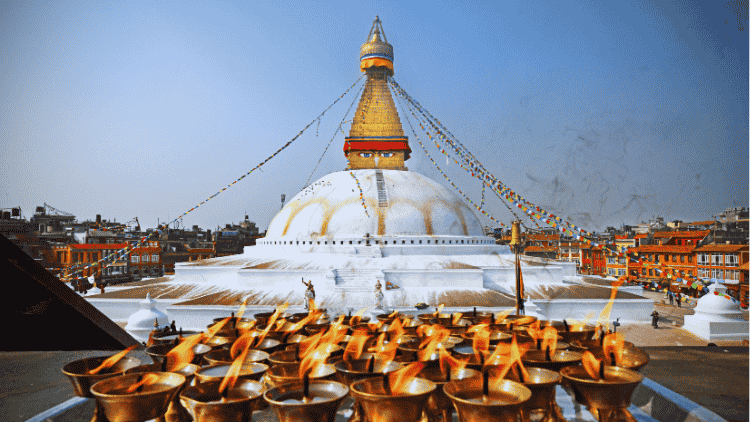
Boudhanath Stupa, a UNESCO World Heritage Site, stands as one of the most revered Buddhist sites in the world. Its majestic dome, fluttering prayer flags, and continuous flow of devotees create a peaceful energy. Many travelers visit to walk the kora, offer prayers, and absorb the stupa’s calming spiritual atmosphere.
Swayambhunath (Monkey Temple)
Swayambhunath offers stunning hilltop views paired with ancient Buddhist symbolism valued by global devotees exploring Buddhist pilgrimage in Nepal. The iconic stupa, surrounded by shrines and playful monkeys, provides visitors with a powerful sense of history and an unforgettable experience of spiritual traditions.
Kopan Monastery
The Kopan Monastery is known for its peaceful environment, Buddhist teachings, and meditation courses. Visitors from China and Southeast Asia often join guided retreats to deepen mindfulness practices. The monastery’s structured programs, welcoming community, and tranquil gardens make it a meaningful stop for everyone.
Lumbini (Birthplace of Lord Buddha)
Lumbini is one of the most sacred Nepal Buddhist pilgrimage sites, revered as the birthplace of Lord Buddha. Travelers visit its peaceful gardens, Maya Devi Temple, and global monasteries. The tranquil atmosphere and spiritual depth make Lumbini a deeply meaningful destination for Chinese and Southeast Asian pilgrims.
Namobuddha
Namobuddha sits atop a scenic ridge known for its legendary Buddhist origins and peaceful monastery complex. Travelers enjoy the calm atmosphere, heartfelt rituals, and sweeping valley views. Its spiritual significance, combined with its tranquil natural setting, makes it a cherished destination among international visitors.
Pharping Monasteries
Pharping is treasured for its sacred meditation caves and monasteries deeply connected to Tibetan Buddhist lore, attracting those drawn to pilgrimage sites in Kathmandu. Here, visitors discover ancient legends, spiritual retreats, and serene sanctuaries that offer a unique blend of cultural richness and peaceful experiences.
Hiranya Varna Mahavihar (Golden Temple)
Located in Patan, this sacred Buddhist courtyard is celebrated for its golden facade, ancient inscriptions, and ongoing rituals. Travelers love its intricate craftsmanship and spiritual warmth. The temple’s atmosphere offers a glimpse into centuries of devotion and artistic heritage preserved within an active monastic community.
White Monastery (Seto Gumba)
The White Monastery features vibrant murals, serene meditation halls, and quiet spaces that appeal to travelers exploring pilgrimage sites in Kathmandu. Although it opens periodically, its peaceful ambiance and panoramic views offer an uplifting spiritual experience, perfect for a deeper understanding of Buddhist culture.
Helpful Tips for Exploring Pilgrimage Sites in Kathmandu
Exploring pilgrimage sites is among the most enriching and meaningful things to do in Kathmandu, especially for Chinese and Southeast Asian travelers. As a visitor, you must prepare adequately to ensure a smooth and spiritually uplifting journey through Kathmandu’s most revered temples, monasteries, and spiritual destinations.
The following are some useful tips to help you fully explore the best pilgrimage sites in Kathmandu;
Start Early to Avoid Crowds
Early mornings offer the best time to visit Kathmandu’s spiritual landmarks. The atmosphere is calmer, temperatures are cooler, and rituals are often underway. Starting early helps travelers enjoy a more peaceful experience and avoid crowds.
Dress Respectfully
Respectful clothing is essential when exploring Nepal Buddhist pilgrimage sites. Covering shoulders and knees, removing shoes where required, and following monastery etiquette help travelers show cultural and spiritual appreciation.
Hire a Local Guide
A knowledgeable local guide can enrich your journey by explaining the significance of rituals, symbols, and stories behind each site. Guides also help you navigate temple customs, understand Buddhist traditions, and uncover hidden heritage spots.
Follow Local Rituals
Observing local customs and etiquette enhances the spiritual journey through revered pilgrimage sites in Kathmandu. Travelers should walk clockwise around stupas, avoid touching sacred objects without permission, and maintain quiet tones.
Carry Travel Essentials
When visiting spiritual landmarks, simple essentials like water, sunscreen, and comfortable walking shoes make the experience smoother. Some sites require climbing steps or walking longer distances, so keep yourself well-prepared.
Capture Photos Respectfully
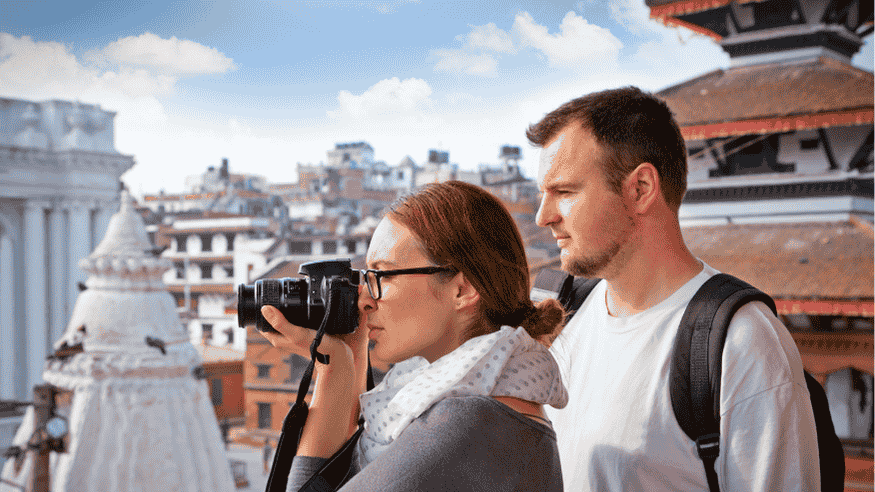
Photography should be practiced with sensitivity, especially at sites linked to Buddhist pilgrimage in Nepal. Always look for signs indicating camera restrictions, avoid using flash inside temples, and never disrupt ongoing rituals.
Where to Stay in Kathmandu as a Chinese or Southeast Asian Traveler?
Exploring the rich spiritual heritage of Nepal becomes unforgettable when visiting the most meaningful pilgrimage sites in Kathmandu. These sacred temples, monasteries, and historical landmarks offer Chinese and Southeast Asian travelers a deeper understanding of Nepalese culture, local traditions, and real spirituality.
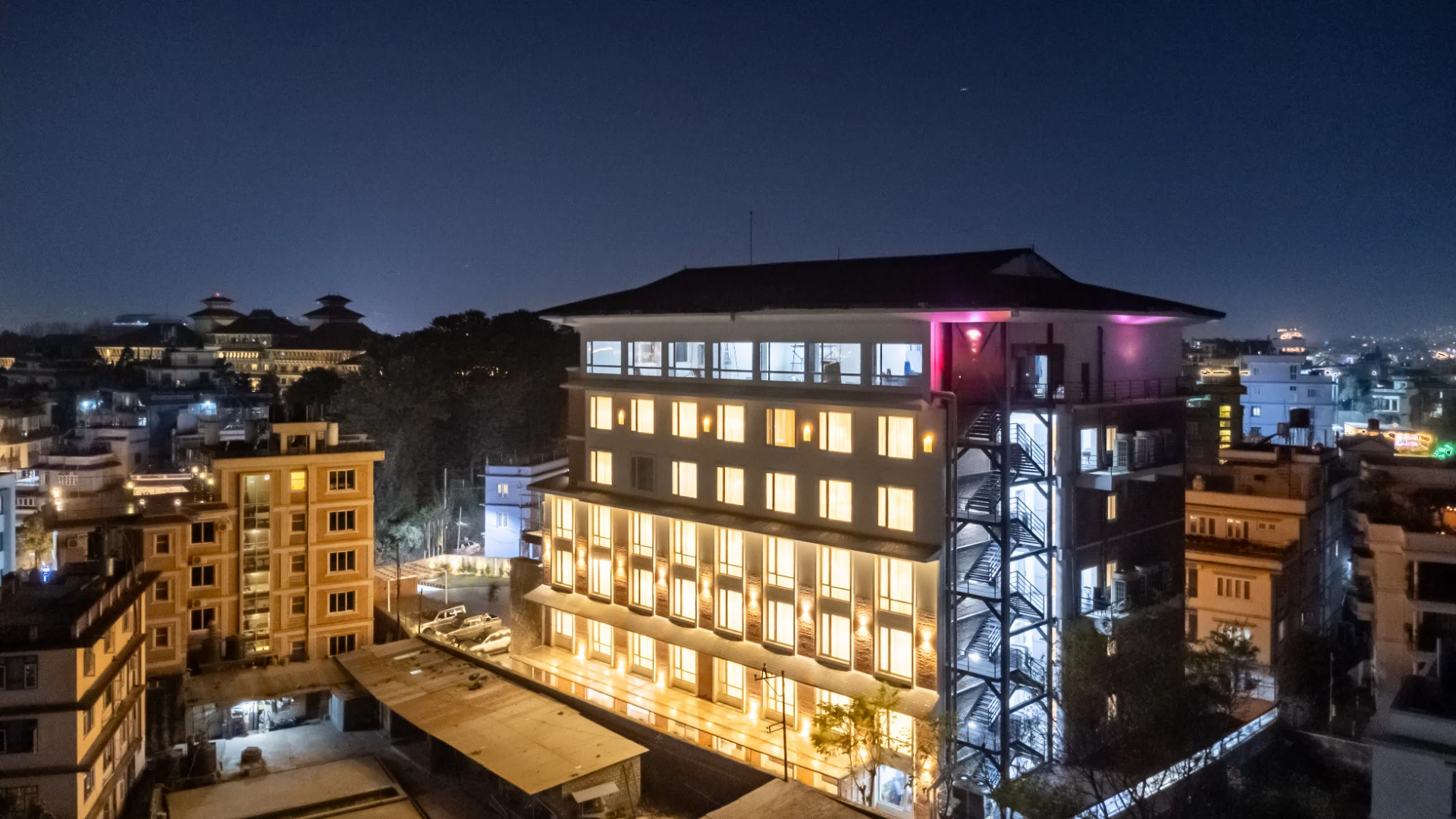
When deciding where to stay in Kathmandu for a meaningful spiritual journey, Chinese and Southeast Asian travelers choose Hotel Anuttara. Located conveniently near major spiritual landmarks, it offers modern amenities, warm hospitality, and a serene ambiance—perfect for relaxing after exploring Kathmandu’s sacred sites.

About
Quick Navigation
Related Articles
Romantic Stay Guide: Why Hotel Anuttara…
Where to Stay in Kathmandu Near…
Exploring Boudhanath Stupa: A UNESCO World…
Stay in the Loop
Get the latest articles delivered to your inbox.