
In This Article
Have you ever dreamt of visiting a place brimming with ancient traditions and deep spirituality? If yes, then the Pashupatinath Temple is the place you have to be.
Standing gracefully on the banks of the sacred Bagmati River, the Pashupatinath Temple is one of Nepal’s most revered spiritual landmarks. Every year, thousands of pilgrims and explorers from around the globe come to seek solace and inspiration.
But with such a large number of devotees visiting daily, understanding the best time to visit this temple becomes crucial for ensuring a peaceful experience without overwhelming crowds. Poor timing can result in long queues, uncomfortable weather, and rushed visits that diminish the sanctity of your journey.
So if you’re planning to visit this sacred temple, this ultimate guide is just for you.
Here, you will get to discover the true spiritual essence of the majestic Pashupatinath Temple by understanding the best time to plan your visit and how you can ensure a completely peaceful experience from this highly rewarding journey.
More About Pashupatinath Temple
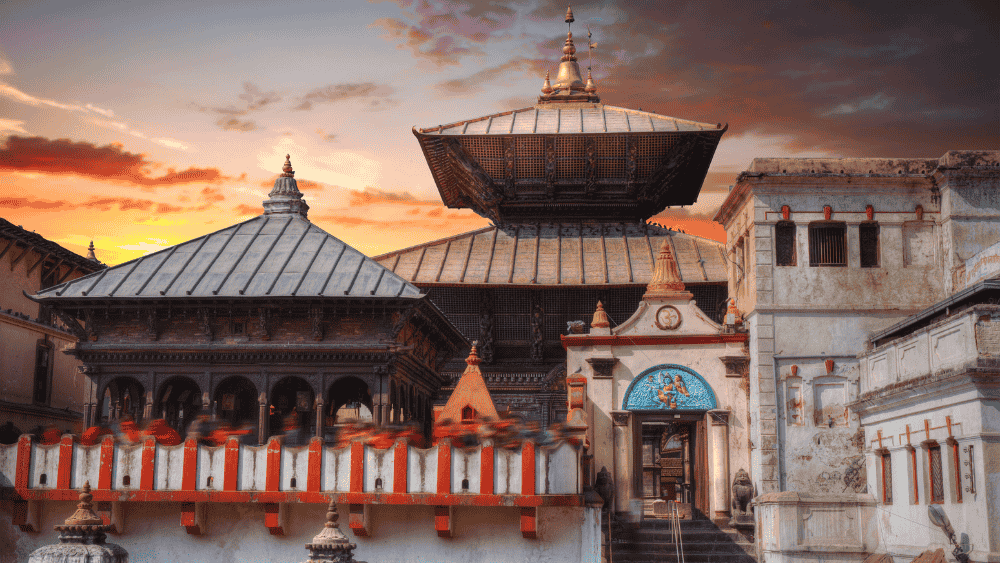
Located in the heart of Nepal’s capital city, Kathmandu, the Pashupatinath Temple is one of the oldest and most sacred Hindu shrines, dating back to the 5th century CE. This ancient temple is dedicated to Lord Shiva and is recognized as a UNESCO World Heritage Site due to its religious importance and cultural legacy.
This temple is also known for its architectural brilliance, especially the gold-plated roof and intricately designed doorways that make it picture-perfect. The Pashupatinath Temple inside houses a huge area, allowing hundreds of devotees and visitors to explore its beautiful surroundings and ambiance peacefully.

Best Time to Visit Pashpatinath Temple
Different seasons, weather conditions, and festivals offer visitors a unique experience at the Pashupatinath Temple, influencing both comfort and the spiritual atmosphere of your pilgrimage. Understanding the best time to visit this divine place can significantly enhance your spiritual journey and overall experience.
So, here’s a seasonal overview to help you choose the best time for your visit to the temple and ensure a peaceful experience;
Spring (March to May) – Peaceful Exploration
The spring season provides pleasant conditions for exploring the Pashupatinath Temple complex thoroughly without weather constraints. This duration mostly has clear skies, offering excellent visibility of the temple architecture, and moderate crowd levels compared to peak pilgrimage seasons for hassle-free travel.
This season is best for photographers, architectural enthusiasts, and visitors seeking a detailed exploration of the temple complex without extreme weather conditions.
Summer/Monsoon (June to September) – Unique Rituals
While the monsoon brings rain to Kathmandu, this season offers a unique perspective of Pashupatinath amid lush greenery and ceremonial significance. This season observes significantly fewer tourists and more local worshippers.
The holy month of Shrawan falls during this period, which is marked with special monsoon rituals and ceremonies unique to this season. So if you’re looking for a unique spiritual experience with fewer crowds, this season is just right for you.
Autumn (October to November) – The Prime Time
With the transitioning weather and dropping temperatures, Autumn is considered the best time to explore the Pashupatinath Temple inside.
The clear skies and refreshing weather increase cultural and religious activities around the temple. Dashain and Tihar, the most significant festivals in Nepal, are also celebrated during this season, which creates a unique festive atmosphere that is worth experiencing on your visit to Nepal.
Winter (December to February) – Spiritually Intensive
Winter brings cooler temperatures, but rewards visitors with unique spiritual experiences, an enhanced meditative atmosphere, and the year’s most significant festival for Lord Shiva—the Maha Shivratri.
This season is best for spiritual seekers and visitors who prefer a more contemplative experience. Also, it is easy to find a hotel near Pashupatinath Temple during these months as the number of international tourists is quite low.
Pashupatinath Temple Tickets and Timings
Understanding about Pashupatinath Temple tickets and timings helps you plan meaningful participation in the temple’s most sacred rituals without any hassle. The temple follows ancient traditions with specific ceremonies throughout the day at different times, each offering unique spiritual and cultural experiences.
Pashupatinath Temple Tickets
The Pashupatinath Temple tickets are free for Indians, and Hindu devotees are allowed to visit the inner sanctum. However, foreigners have to pay an entry fee of NPR 1000 and are allowed to explore the temple complex, except for the inner sanctum.
Pashupatinath Temple Inside Timings
Unlike other historical monuments that remain static, Pashupatinath Temple pulsates with continuous spiritual activity from dawn to dusk. The temple follows an ancient schedule of sacred rituals, offering devotees multiple opportunities throughout the day to witness ceremonies and participate in rituals dedicated to Lord Shiva.
Several aartis are performed in the temple, each with its own significance and atmosphere:
- Bhor Aarti (Morning): 6:00 AM to 7:00 AM
- Sandhya Aarti (Evening): 6:00 PM to 7:00 PM
- Maha Shivaratri (February/March): Sacred rituals round the clock
- Teej Festival (August/September): Special ceremonies by women
- Bala Chaturdashi (November/December): Unique rituals in the night

Travel Tips for Your Visit to Pashupatinath Temple
Visiting the Pashupatinath Temple is not just about seeking blessings from Lord Shiva or attending the sacred rituals; it is more about experiencing the unique spirituality and peace this place offers. And to ensure you capture most of these experiences, it is essential to ensure your entire journey is smooth and hassle-free.
Here are some useful travel tips that will help you make your visit to this holy temple more rewarding and worth remembering;
Book a Hotel Near Pashupatinath Temple
If you’re wondering where to stay in Kathmandu during your visit, the ideal solution is to book a hotel near Pashupatinath Temple. A hotel near the temple will allow you to visit at prime timings, avoid traffic congestion, and make the most of your time.
Follow the Dress Code and Temple Etiquettes
The Pashupatinath Temple follows traditional Hindu customs regarding appropriate behavior and attire. Respecting these practices ensures both a positive experience for visitors and preserves the sanctity of this ancient place of worship.
Plan Your Visit Timings in Advance
Plan your visit to the temple according to the aarties you want to attend or rituals you would like to witness. Keep at least 2 to 3 hours for your visit to explore the temple completely. You might require more time during festivals due to the larger crowd.
Carry Documents and Storage Solutions
It is important to carry a valid ID proof to the temple, especially for Indian visitors claiming free entry. Also, you must only carry a small bag to keep your documents and belongings, as large backpacks are not allowed inside the main temple area.
Explore Nearby Attractions
After you visit the temple, there are various things to do in Kathmandu. You can explore the Durbar Square, take a stroll around the Boudhanath Stupa, buy local products from the Thamel market, or simply unwind at a local restaurant.
Wrapping Up
The Pashupatinath Temple in Kathmandu is more than just a sacred place—it is a gateway into Nepal’s spiritual heart. The sacred rituals, mythological roots, and divine presence create a profoundly moving experience.
To ensure you capture the true essence of this peaceful space, choosing the best time to visit is essential, which ultimately depends on your specific interests and priorities. Whether you’re planning to visit in the pleasant weather of Spring or during the peak season of Autumn, a journey to Pashupatinath will stay with you forever.

About
Quick Navigation
Related Articles

Where to Stay in Kathmandu Near…
Why Asan Bazaar is a Must-Visit…

Top Places to Experience Snowfall in…
Stay in the Loop
Get the latest articles delivered to your inbox.