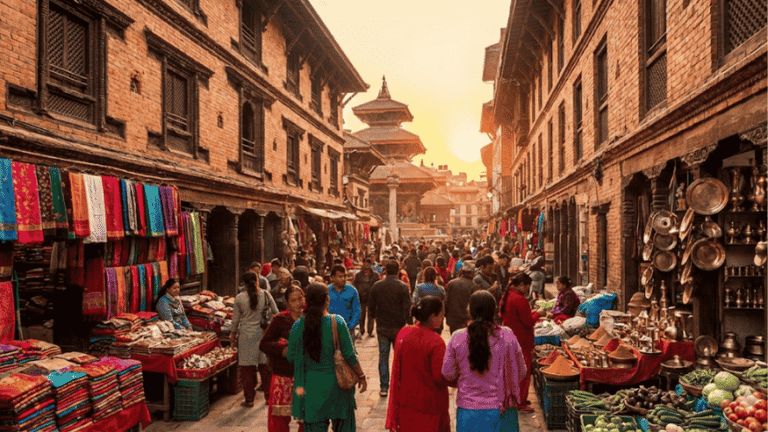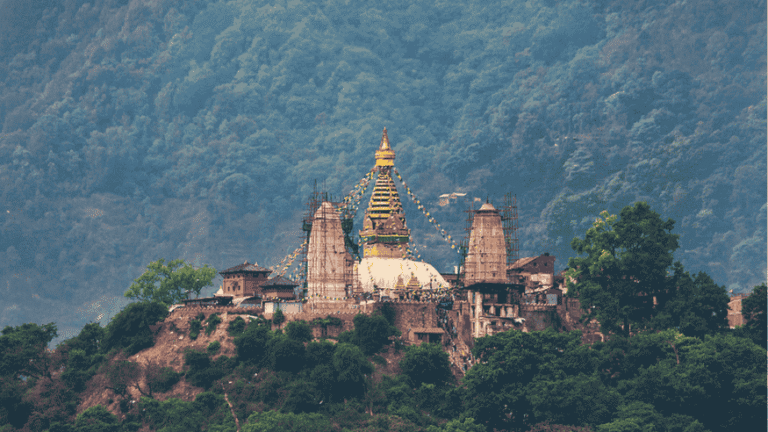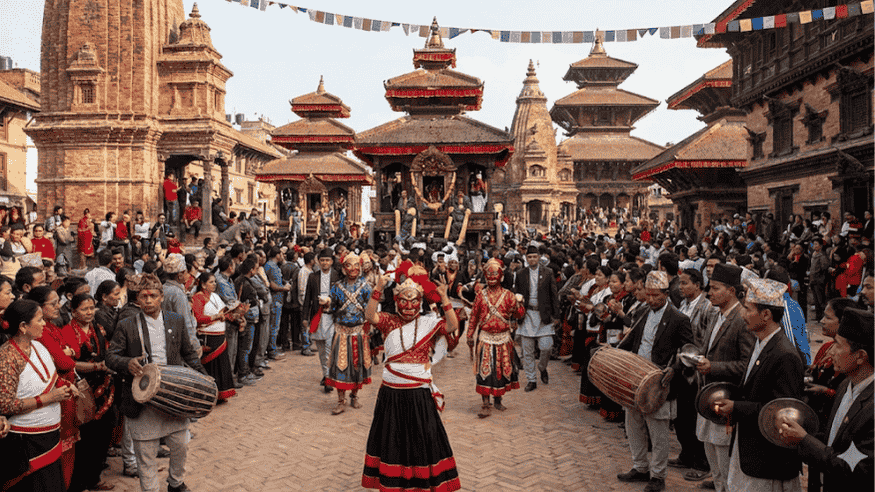
The majestic Kathmandu valley is not just a destination to explore ancient temples or historic courtyards; it is a living museum of culture, faith, and celebration.
Throughout the year, the valley comes alive with vibrant processions, traditional music, masked dances, and centuries-old rituals that reflect the spiritual soul of Nepal. These celebrations are deeply rooted in ancient traditions and showcase a perfect blend of Hindu and Buddhist beliefs passed down through generations.
The Jatras of the Kathmandu valley lie at the heart of century-old celebrations.
From chariot processions rolling through narrow streets to locals gathering in colorful attire, every Jatra tells a story of devotion, history, and community bonding. These festivals in Nepal are not just simple celebrations but heartfelt expressions of faith.
For travelers visiting Nepal, experiencing the Jatras of the Kathmandu valley adds depth to their journey beyond sightseeing and creates memories for a lifetime.
Let’s explore the most vibrant and widely celebrated Jatras of the Kathmandu region together—understanding the cultural significance they have carried over the years and how they offer a meaningful way to connect with Nepal’s timeless heritage.
The Significance of Jatras of the Kathmandu Valley
The Jatras of the Kathmandu valley hold deep cultural and spiritual importance, serving as a bridge between history, religion, and everyday life. These festivals honor deities, mark seasonal changes, and preserve ancient traditions, allowing communities to express collective faith while strengthening social bonds.
Beyond religious devotion, the Jatras of the Kathmandu region play a vital role in safeguarding Nepal’s intangible heritage. Through music, rituals, and processions, these celebrations pass traditional knowledge to younger generations, ensuring that local customs and values continue to thrive across various ethnic groups in Nepal.
Widely Celebrated Jatras of the Kathmandu Valley
The Kathmandu valley is home to some of Nepal’s most vibrant and spiritually significant festivals. Each celebration reflects deep-rooted traditions, local legends, and religious devotion. Experiencing the Jatras of the Kathmandu valley allows visitors to understand how culture, faith, and community life remain connected.
Here are the most widely celebrated Jatras of the Kathmandu valley that travellers must experience once:
Indra Jatra
Indra Jatra is one of the most grand and culturally rich Jatras of the Kathmandu region, celebrated mainly in Kathmandu Durbar Square. Dedicated to Lord Indra, the god of rain, this festival includes chariot processions, Lakhe dances, and masked performances. It symbolizes gratitude for rainfall and agricultural prosperity.
Kumari Jatra
The Kumari Jatra revolves around the living goddess Kumari, who is believed to embody divine energy. During the festival, she is taken through the city in a beautifully decorated chariot. Devotees gather to seek blessings, believing her presence ensures protection, prosperity, and harmony for the city and its people.
Rato Machindranath Jatra
Rato Machindranath Jatra is among the longest and most revered Jatras of the Kathmandu city, primarily celebrated in Patan. The festival honors the rain god, essential for agricultural life. A towering chariot is pulled through the streets over several weeks, representing unity, patience, and collective devotion among locals.
Seto Machindranath Jatra
Seto Machindranath Jatra takes place in Kathmandu and is dedicated to Avalokiteshvara, the deity of compassion. The white chariot procession passes through historic neighborhoods, drawing large crowds. This festival beautifully reflects religious harmony, as both Hindus and Buddhists participate together.
Bhote Jatra
Bhote Jatra is closely linked with Rato Machindranath Jatra and is famous for the public display of a sacred jewel, known as Bhoto, believed to bring good fortune. Devotees gather at important pilgrimage sites in Kathmandu to witness this ritual, which blends mythology, faith, and tradition into a deeply symbolic cultural event.
Gai Jatra
Gai Jatra is a unique festival that honors loved ones who passed away during the year. Families participate in processions led by cows, believed to guide souls to the afterlife. Alongside remembrance, the festival includes satire, humor, and performances that help communities cope with grief and loss of their loved ones.
Bisket Jatra
Bisket Jatra, celebrated mainly in Bhaktapur, marks the Nepali New Year with dramatic rituals and massive chariot pulling. As one of the energetic Jatras of the Kathmandu valley, it symbolizes renewal and the triumph of good over evil. The festival reflects strong communal participation and ancient mythological beliefs.
Ghode Jatra
Ghode Jatra is observed at Tundikhel in Kathmandu and features horse racing events and military displays. The festival is believed to ward off evil spirits and commemorate ancient victories in wars. It blends folklore with national pride, offering visitors a different cultural experience beyond traditional religious processions.
Sikali Jatra
Sikali Jatra is a traditional festival observed mainly by Newar communities through ritual dances and symbolic offerings. Among the culturally significant Jatras of the Kathmandu city, it focuses on ancestral worship and the protection of the community, preserving lesser-known traditions that continue to shape local spiritual beliefs.
Travel Tips to Attend Jatras of the Kathmandu Valley
Attending the Jatras of the Kathmandu valley can be a culturally enriching experience if planned well. These festivals attract large crowds and follow traditional schedules, so understanding local customs, timings, and logistics helps travelers enjoy the celebrations comfortably while respecting the local beliefs and culture.
The following tips will help travelers experience Jatras of the Kathmandu valley easily and hassle-free:
Plan Your Visit Around Festival Dates
Jatra dates follow the lunar calendar and may vary every year. Check local festival calendars in advance to align your travel plans, ensuring you arrive on the correct days to witness key processions and rituals without missing major highlights.
Expect Large Crowds and Limited Access
Popular Jatras of the Kathmandu city often draw massive local participation, especially around the Durbar Square. Arrive early to secure good viewing spots, remain patient in crowded areas, and follow local guidance to move safely.
Dress Modestly and Respect Local Customs
Wear comfortable yet modest clothing, as these festivals are religious in nature. Avoid revealing outfits, remove shoes where required, and observe rituals respectfully. This helps you blend in and shows cultural sensitivity toward traditions.
Choose Accommodation Near Key Locations
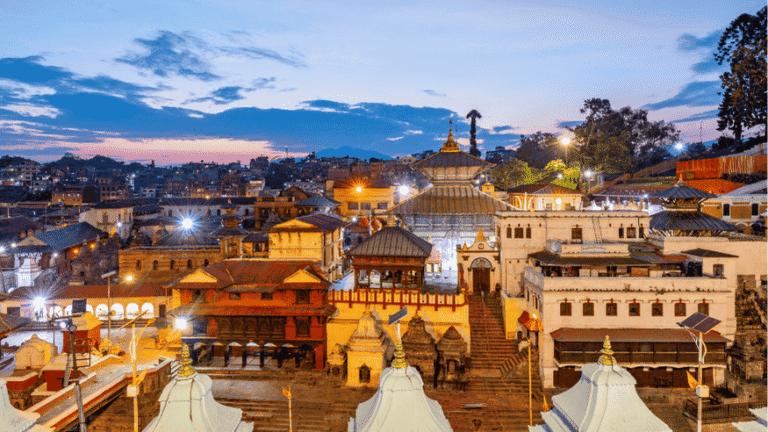
Staying close to major festival areas can save you time traveling. Booking hotels near Pashupatinath Temple allows easier access to multiple Jatra routes while providing convenient returns after long hours of celebration and exploration.
Carry Essentials and Stay Alert
Keep essentials like water, sunscreen, and small snacks, as festivals can last several hours. Secure your belongings, avoid pushing crowds, and remain alert, especially during peak moments when chariot pulling and performances intensify.
Learn the Cultural Meaning Behind Each Festival
Understanding the history and rituals behind the Jatras of the Kathmandu city enhances the experience. Reading about their significance or hiring a local guide allows a deeper appreciation of symbolism, making your visit more meaningful.
Experience the Unreal with Jatras of the Kathmandu Valley
The vibrant Jatras of the Kathmandu valley are more than just festive celebrations; they offer an emotional and cultural journey into Nepal’s living heritage. From sacred rituals to energetic street processions and unique customs, these festivals reveal how tradition, faith, and community continue to shape everyday life across the valley.
For travelers seeking meaningful experiences, the Jatras of the Kathmandu valley create unforgettable memories rooted in authenticity and spiritual depth. Witnessing these celebrations allows foreign visitors to connect with local traditions on a deeper level, transforming a simple trip to Kathmandu into an immersive cultural adventure.