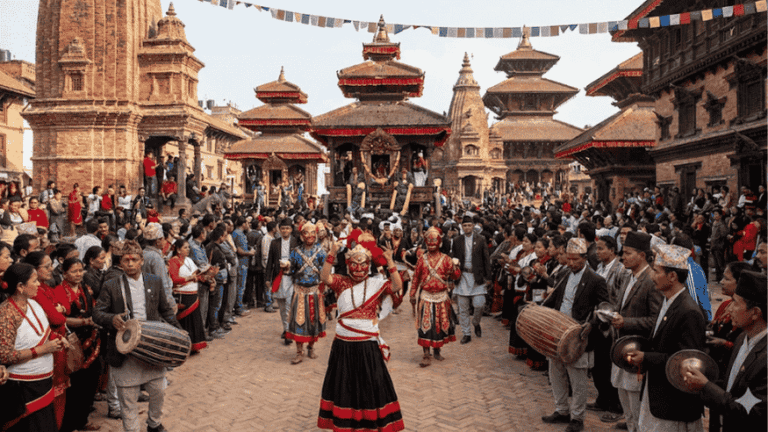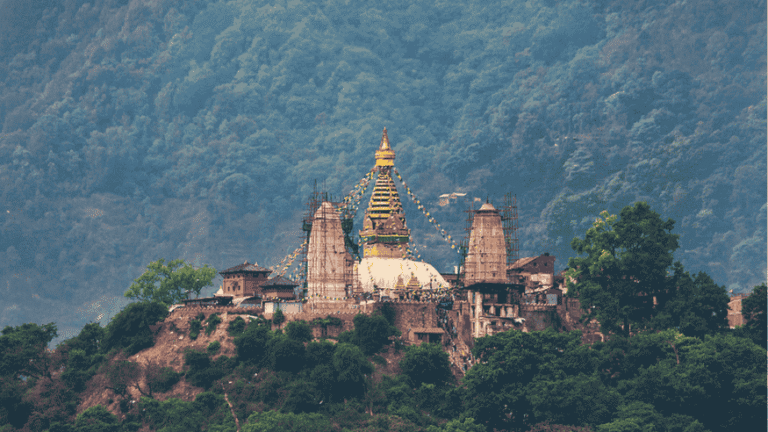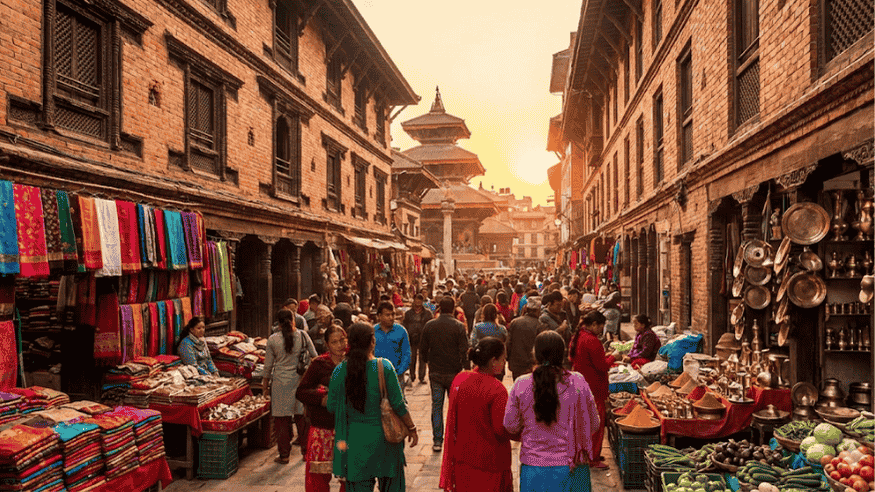
Tucked into the historic heart of Nepal’s capital, Asan Bazaar is more than just a marketplace—it is a living reflection of Kathmandu’s culture, traditions, and heritage.
As one of the oldest and busiest trading hubs in the city, this vibrant square brings together centuries-old commerce, spiritual landmarks, and local flavors in one immersive experience. Walking through its narrow lanes offers a journey filled with colors, aromas, and sounds that instantly connect visitors to the city’s soul.
What makes the area truly special is the diversity of the Asan Bazaar shops.
From traditional spices to fresh produce, textiles, and street food, every corner reveals something authentic. Locals bargain, vendors call out their prices, and daily life unfolds naturally, giving travelers an unfiltered glimpse into Kathmandu’s rhythm.
For travelers seeking meaningful and authentic cultural experiences, exploring this bustling street market is among the most enriching things to do in Kathmandu.
As we dive deeper, discover why this vibrant market is a must-visit place for travelers in Kathmandu. Whether you’re a culture enthusiast, a food lover, or a curious explorer, this iconic bazaar promises memories that stay long after your visit ends.
The History of Asan Bazaar
For centuries, Asan Bazaar has stood at the crossroads of trade routes connecting India, Tibet, and the Kathmandu Valley. Originally a key commercial hub during the Malla dynasty, it evolved as a central marketplace where merchants exchanged spices, grains, and goods, shaping the economic and cultural identity of Kathmandu.
Over time, Asan bazaar shops became deeply woven into local traditions and daily life. Many family-run stores have operated for generations, preserving age-old trading practices. These shops not only supported livelihoods but also played a vital role in sustaining religious rituals, festivals, and community interactions in the city.
Why Travellers Must Visit Asan Bazaar in Kathmandu
Located in the city’s heart, Asan Bazaar offers travelers an immersive introduction to Kathmandu’s cultural and social fabric. This lively marketplace blends daily local life with heritage landmarks, creating an experience that feels authentic rather than curated. For visitors seeking real connections, it delivers unmatched experiences.
Here’s why Asan Bazaar is a must-visit place for travelers in Kathmandu:
Experience Authentic Local Life Up Close
One of the strongest reasons to visit this market is the opportunity to observe how locals live, trade, and interact daily. The market functions as a community hub where residents shop for essentials, exchange news, and perform rituals. Travelers gain genuine insight into everyday Kathmandu beyond tourist-centric experiences.
Discover Traditional Goods and Local Crafts
Exploring Asan bazaar shops reveals a remarkable variety of traditional products sold by long-established vendors. From spices and grains to metalware and ritual items, these shops showcase Nepal’s trading heritage. Many stores are family-run, preserving craftsmanship and commerce passed down through generations.
A Cultural and Spiritual Intersection
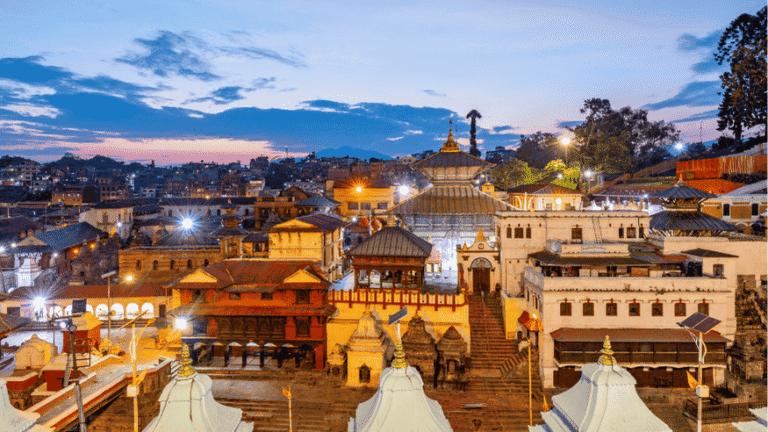
The market is surrounded by temples, shrines, and courtyards that remain active places of worship. Travelers can witness religious practices unfolding naturally alongside commerce. This coexistence of spirituality and trade offers a deeper understanding of how faith and daily life remain closely connected in Kathmandu.
Centrally Located Among Key City Highlights
Its location places the Asan market near several key attractions in Kathmandu, making it easy to include in a walking itinerary or a quick travel plan. Visitors can seamlessly move between historic sites, local eateries, and cultural landmarks, maximizing their time while experiencing different layers of the city’s heritage.
Ideal for Cultural Photography and Storytelling
The visual richness of the market, filled with colorful produce, traditional attire, historic architecture, and expressive faces, makes it ideal for photography enthusiasts. Every corner tells a story, allowing travelers to capture moments that reflect the city’s energy, traditions, and timeless urban character with authenticity.
Easy to Plan Into Any Travel Schedule
Knowing the Asan bazaar timings helps travelers plan visits without disrupting other sightseeing plans around the Kathmandu valley. The market’s consistent daily activity ensures there is always something to see, whether visiting in the morning bustle or during calmer afternoon hours, making it convenient for all travel plans.
Best Things to Do in Asan Bazaar
Exploring Asan Bazaar is an experience filled with culture, commerce, and local traditions. This historic marketplace invites travelers to slow down and observe everyday life while engaging with the sights, sounds, and rituals that define old Kathmandu. Every visit uncovers meaningful activities rooted in authenticity.
The most rewarding activities you can do on your visit to Asan Bazaar in Kathmandu are as follows:
Explore Vibrant Market Lanes
Walking through Asan bazaar shops allows visitors to explore narrow lanes filled with spices, grains, textiles, and daily essentials. Each shop reflects generations of trade, offering a firsthand look at how traditional commerce thrives in Kathmandu.
Observe Local Rituals and Temple Life
Several temples and shrines surround the market, where locals perform daily prayers and offerings. Observing these rituals provides cultural insight and a deeper appreciation of how spirituality blends seamlessly with everyday commercial life.
Taste Local Street Food
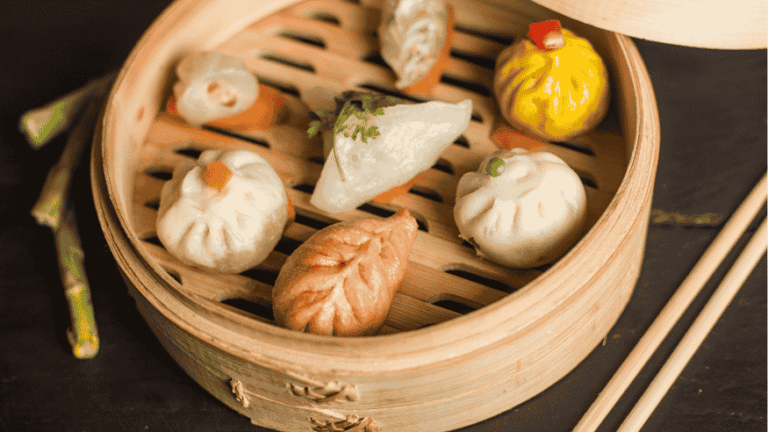
Trying authentic Nepalese food near Asan Bazaar is a must for food lovers. From traditional sweets to savory street bites, these flavors reflect Kathmandu’s culinary heritage and offer a delicious way to experience the vibrant local food culture.
Capture Cultural Photographs
The vibrant colors, expressive faces, and historic surroundings create perfect photography opportunities. Travelers can capture candid moments that showcase the rhythm of daily life, traditional attire, and the architectural charm of this market.
Witness Traditional Trade Activities
The morning hours at the Asan Bazaar are filled with energetic trade, where vendors and locals bargain for the exchange of goods in the traditional way. Observing these activities gives you a better glimpse into the rich trade history of Kathmandu.
Helpful Tips for Your Asan Bazaar Visit
Visiting Asan Bazaar can be overwhelming for first-time travelers, but with a little preparation, the experience becomes enjoyable, insightful, and culturally rewarding while navigating one of Kathmandu’s most historic marketplaces with confidence.
The following tips will help you throughout your visit to the Asan market:
Remember Asan Bazaar Timings: While the shops generally remain open from early morning to late evenings, try to visit early to avoid the crowd and traffic.
Carry Cash for Purchases: Keep some cash handy, as many vendors prefer cash payments, and quick transactions move faster in crowded, narrow market lanes.
Take Time to Explore Inner Lanes: Spend time browsing shops in the market patiently, as unique items often appear deeper inside lanes rather than main areas.
Wear Comfortable Walking Shoes: Wear comfortable footwear, since exploring involves long walks on uneven stone paths and standing frequently in the crowd.
Stay Aware in Busy Areas: Stay alert to your surroundings in the Asan market, keeping belongings secure while enjoying lively crowds, sounds, and activities.
Wrapping Up Your Asan Bazaar Experience
Exploring Asan Bazaar offers travelers a rare chance to witness Kathmandu’s living heritage in its most authentic form. From traditional trade and vibrant market scenes to spiritual landmarks and daily rituals, the experience leaves visitors with meaningful cultural insights that go beyond typical sightseeing and create lasting memories.
After a day exploring the Asan market, choosing the right accommodation becomes essential for comfort and convenience. For travelers wondering where to stay in Kathmandu, selecting a centrally located hotel ensures easy access to heritage sites, markets, and dining options, allowing the journey to continue seamlessly.